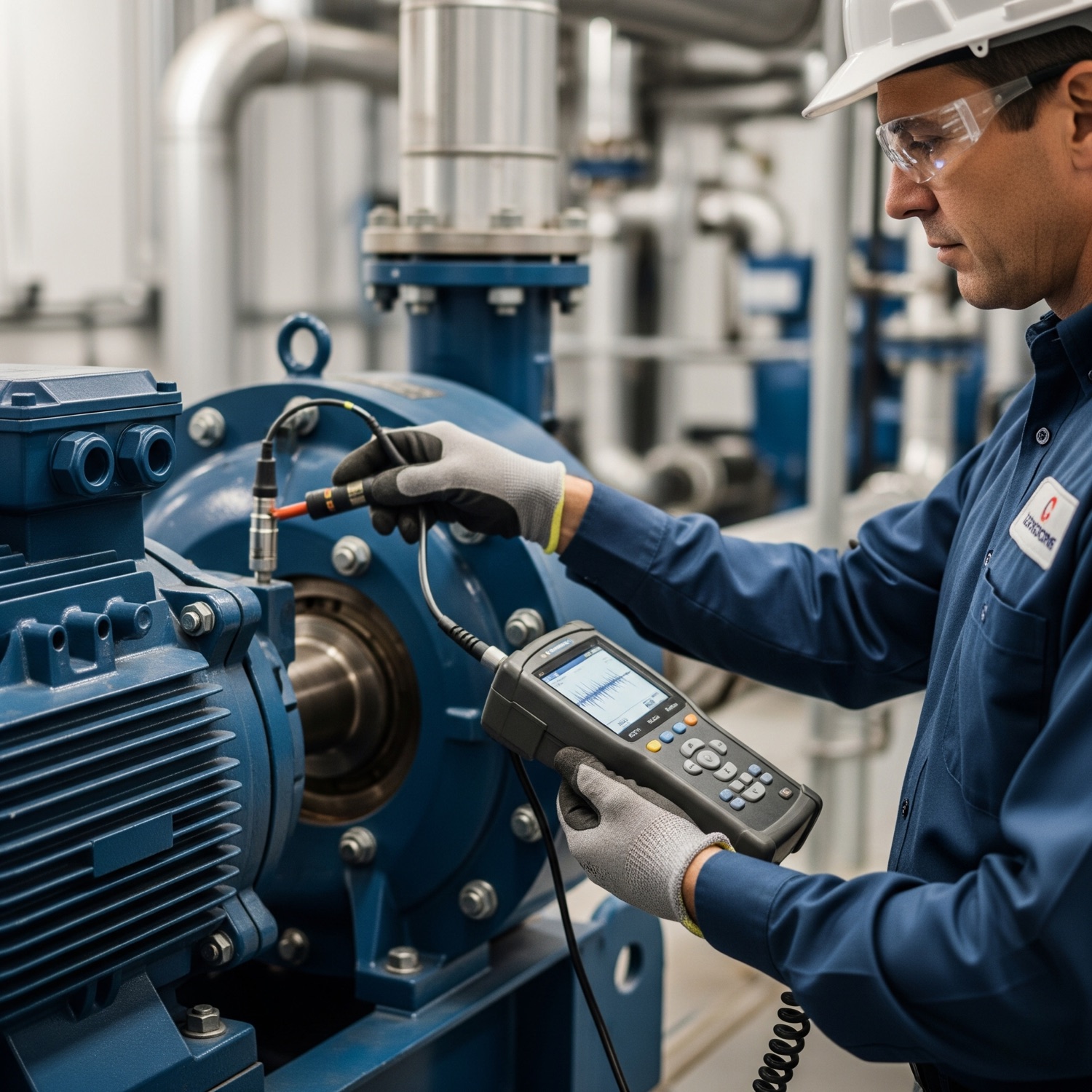
When noise levels become too high, they stop being a byproduct and become a serious workplace hazard — causing permanent hearing loss, increasing stress, and contributing to accidents. Meeting OSHA's standards requires a clear, effective strategy built on the NIOSH Hierarchy of Controls, which ranks solutions from most to least effective.
Understanding the OSHA noise standard
OSHA's Occupational Noise Exposure standard sets two thresholds: the Action Level (an 8-hour TWA of 85 dBA), which triggers a Hearing Conservation Program, and the Permissible Exposure Limit (an 8-hour TWA of 90 dBA), above which feasible engineering or administrative controls are required.
The five strategies (in order of effectiveness)
- 1. Elimination. Physically remove the noise source — redesign a process (welding instead of riveting), decommission redundant equipment, or adopt a "Buy Quiet" purchasing policy. This is permanent and requires no ongoing employee action.
- 2. Substitution. Replace a noisy source with a quieter one that performs the same function — addressing the problem at the source rather than relying on worker behavior.
- 3. Engineering controls. The core of technical noise control. Control at the source (mufflers, silencers, modified fan blades, better lubrication), along the path (acoustic barriers and enclosures), or at the receiver (operator booths). These are the most durable, reliable solutions for existing facilities.
- 4. Administrative controls. Change how and when people work — job rotation, time limits, scheduling noisy operations during low-staffing shifts, and increasing distance (every doubling of distance drops the level by ~6 dBA).
- 5. Personal protective equipment. The last line of defense. Earplugs and earmuffs rely on correct, consistent use; OSHA requires de-rating the Noise Reduction Rating to estimate real-world performance.
Why engineering controls matter most
A focus on engineering controls provides the most reliable protection and the most dependable path to long-term compliance. A well-designed acoustic enclosure or a properly silenced machine protects every worker in the area, every shift, without requiring individual action. If your facility faces hazardous noise, a professional assessment is the best first step.