EV Infrastructure & Storage

EV infrastructure & energy storageAcoustic mitigation & site engineering for high-voltage systems

EV charging infrastructure and battery storage are key to a cleaner future — but they create an unintended side effect: severe noise pollution. We develop customized solutions that address these specific noise challenges, ensuring acoustic compliance without compromising system performance.
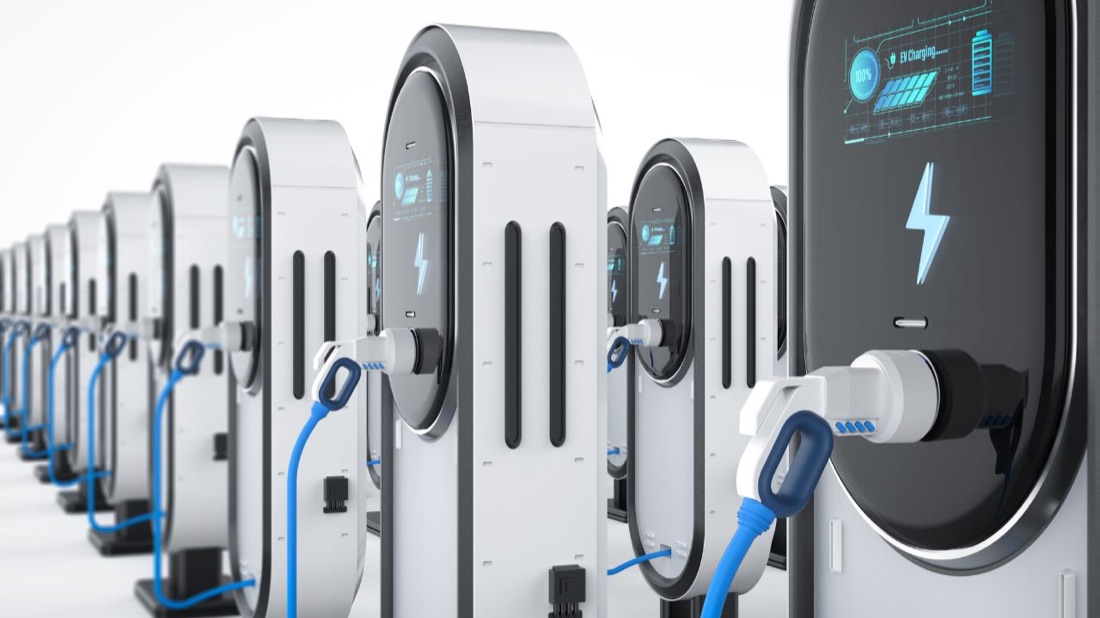
EV charging station infrastructure
Standards & criteria50–65 dBA boundary limitsNY & NJ noise studiesVentilated acoustic barriersPredictive modeling

Battery Energy Storage Systems (BESS)

The Compliance Risk

Low-frequency tonal noise and structure-borne vibration from heavy-duty HVAC blowers and transformers frequently trigger residential noise complaints and jeopardize site-plan approval.

The Engineering Solution

We design acoustic absorption and barrier solutions that work in tandem with the facility's thermal-management requirements — mitigating noise without trapping the heat that these systems must reject.

EV charging station infrastructure

Commercial EV Fast-Charging Infrastructure

The Zoning Risk

When multiple DC fast chargers operate simultaneously, the cumulative sound power of their cooling fans and compressors multiplies — and real-world performance varies dramatically with surrounding reflective surfaces, interfering with local zoning limits.

The Engineering Solution

We deliver highly customized solutions including architectural acoustic louvers, sound-absorbing barrier walls and specialized airflow silencers, validated with predictive acoustic modeling before construction.

FAQ

Common questions — Electric Vehicle

Have a specific facility or piece of equipment in mind? Our engineers are happy to talk it through.

Ask an Engineer

Yes. Most municipalities in New York and New Jersey now require a predictive acoustic modeling study during the site-plan approval phase.

Yes. When multiple chargers and their power cabinets operate at peak capacity, the cumulative broadband noise can exceed standard 50–65 dBA commercial boundary limits.

No — this is a dangerous misconception. A solid wall traps heat, causing equipment failure. We design ventilated acoustic solutions that attenuate noise while allowing the airflow these systems require.

Engage us during the initial site design and permitting phase, before equipment is purchased or concrete is poured — that is when mitigation options are widest and least expensive.

How we can help

Related engineering services

Get in touch

Don't let noise compliance delay your deployment

Tell us about your facility and equipment. We'll tell you what can be determined from what you already have — and what would require an on-site assessment.